


7 Warning Signs You Need Garage Door Spring Replacement in Snohomish
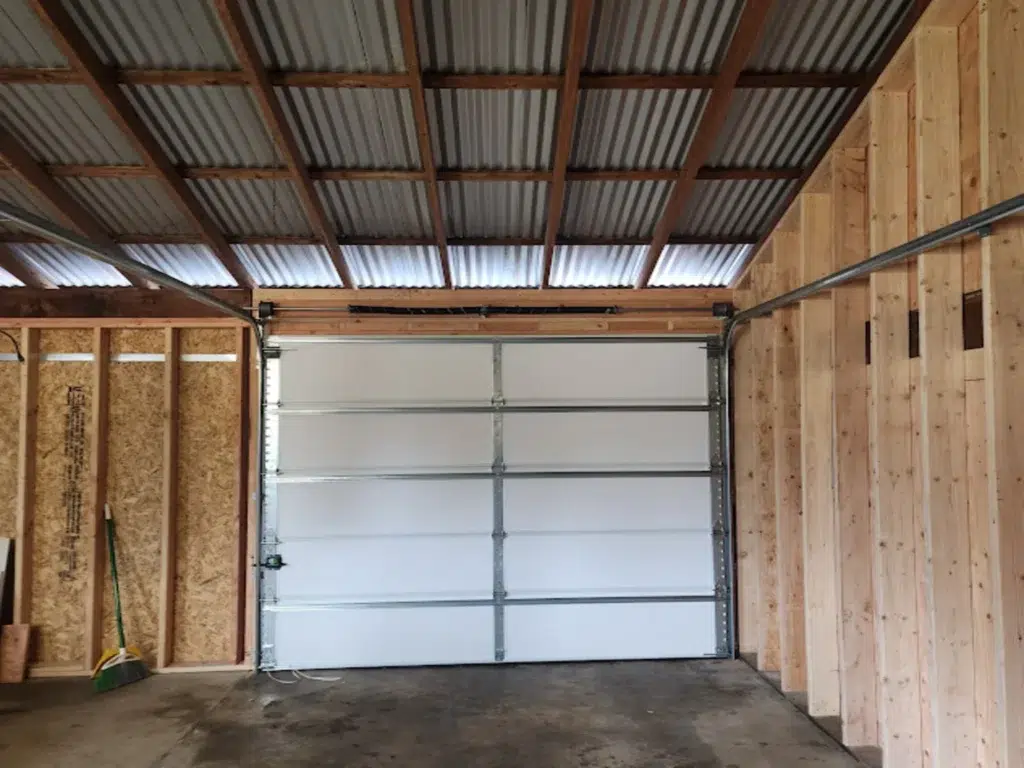
Your garage door is one of the hardest-working parts of your home. Whether you’re heading to work in the morning or pulling into the driveway after a long day, you expect it to open and close without any issues. But when the springs begin to wear out, even a simple trip out of the house can turn into a frustrating experience. If you’ve been searching for “garage door spring replacement near me” or need garage door spring replacement in Snohomish, it’s important to recognize the warning signs before the problem becomes a complete breakdown. Don’t Ignore the Small Signs, They Often Lead to Bigger Problems Garage door springs rarely fail without giving you a few clues first. The challenge is that many homeowners don’t recognize those clues until the garage door stops working altogether. The good news? If you know what to watch for, you can schedule a repair before you’re stuck with a door that won’t open or close. Let’s look at the seven warning signs that tell you it’s time to call a trusted local garage door company. Why Are Garage Door Springs So Important? Before diving into the warning signs, it helps to understand what these springs actually do. Garage door springs carry most of the door’s weight every time it opens or closes. Without properly functioning springs, your garage door opener has to work much harder, and the door itself becomes difficult and dangerous to operate. Since springs are under extreme tension, they naturally wear out after thousands of cycles. That’s why regular garage door servicing plays such an important role in preventing unexpected failures. 1. Is Your Garage Door Suddenly Feeling Much Heavier? One of the first signs of failing springs is a garage door that feels unusually heavy. You might notice that lifting the door manually takes much more effort than it used to. Even if your automatic opener still works, it may seem like it’s struggling to raise the door. This happens because the springs are no longer balancing the weight properly. If you continue using the door this way, you risk damaging the opener, cables, and other important components. Scheduling a professional garage door fix now is much less expensive than replacing multiple parts later. 2. Do You Hear Loud Popping or Banging Noises? Have you ever heard a loud bang from your garage and wondered what happened? Many homeowners think something fell inside the garage, but it’s often a garage door spring snapping under tension. Even before a spring breaks completely, you may hear: These sounds should never be ignored. A broken spring creates a serious safety hazard, and continuing to operate the door could result in additional damage or personal injury. If you hear these noises, it’s time to arrange an emergency garage door spring replacement as soon as possible. 3. Is Your Garage Door Opening Unevenly? Take a moment to watch your garage door as it opens. Does one side seem higher than the other? Does the door shake or look crooked? These are common signs that one spring is wearing out faster than the other. When the springs lose their balance, uneven lifting puts excessive stress on the tracks, rollers, hinges, and opener. Instead of waiting until the door comes off track, have a professional inspect it. A quick repair today can prevent a much larger broken garage door repair tomorrow. 4. Does the Garage Door Stop Halfway? Another common warning sign is a garage door that starts opening but suddenly stops. You might also notice that it: While these symptoms can sometimes point to opener issues, worn garage door springs are often the real cause. As the springs weaken, they can’t provide the lifting force your garage door needs. The opener senses extra resistance and stops operating to protect itself from damage. If your garage door has started acting this way, don’t assume it’s just an electrical issue. Having a local garage door company inspect the springs can save you time, money, and unnecessary frustration. 5. Are You Seeing Gaps in the Garage Door Spring? Here’s a simple visual check you can do without touching the springs. Stand a safe distance away and look at the torsion spring mounted above your garage door. If you notice a visible gap of a few inches in the spring, it has likely snapped. A broken spring can’t support the weight of your garage door, which means the door can become extremely heavy and unsafe to operate. It’s tempting to try lifting the door yourself, especially if you’re in a hurry, but that’s never a good idea. Garage door springs are under intense tension and should only be handled by trained professionals. If you spot a gap in the spring, stop using the door and schedule an emergency garage door spring replacement right away. 6. Is Your Garage Door Opener Working Harder Than Usual? Your garage door opener should lift the door smoothly without straining. If you’ve noticed the motor sounding louder than normal, moving slower, or struggling to lift the door, worn springs could be the reason. Many homeowners assume the opener is failing and replace it, only to discover the real problem was the springs all along. When the springs lose tension, the opener has to carry far more weight than it was designed for. Over time, that extra strain can shorten the life of your opener and lead to costly repairs. If your opener suddenly seems to be working overtime, it’s worth having the springs inspected before replacing other components. 7. Have Your Springs Simply Reached the End of Their Lifespan? Sometimes there aren’t any dramatic warning signs. Garage door springs simply wear out over time. Most standard springs are designed to last around 10,000 cycles. Depending on how often you use your garage door, that could mean seven to ten years of normal use. If you’ve lived in your Snohomish home for several years and can’t remember the last time the springs were replaced, now is